At the heart of organic gardening practices, comfrey tea stands out as an essential ally. This natural preparation, obtained by fermenting comfrey leaves, is packed with benefits for the gardener concerned about the health of their plants. Rich in potassium and trace elements, this plant brew is praised for its stimulating action on plant growth and its ability to strengthen the resistance of plants against diseases. Enthusiasts of natural methods use it as a vigor catalyst for fruits, flowers, and vegetables, while promoting an ecological and sustainable approach to gardening.
Comfrey: A Plant with Multiple Benefits for the Garden
Comfrey, a perennial plant with recognized healing properties, belongs to the select group of plants that are beneficial to their peers. Used in the production of comfrey tea, it proves to be a top choice natural fertilizer, stimulating plant growth and their resistance to external threats. Its presence in the tea enriches the soil with essential nutrients and fosters a healthy and productive gardening ecosystem. In a context where the ban on commercially sold comfrey tea without market authorization (MA) has been pronounced, gardeners are turning to homemade production, thus respecting regulations in France. This approach allows for the continued use of this natural solution while ensuring the safety of the product. ANSES regulates commercial products based on comfrey tea, ensuring that homemade preparations remain the preferred route for gardening enthusiasts. The comfrey leaves, once fermented, release substances rich in nitrogen, potassium, and phosphorus, vital elements for fruit and vegetable production. Experiments conducted, such as those by the Centre Terre Vivante on tomatoes, confirm the significant increase in fruit production thanks to the use of comfrey tea. The gardener, aware of this data, incorporates the tea into their practice, seeking results that are both abundant and environmentally friendly.
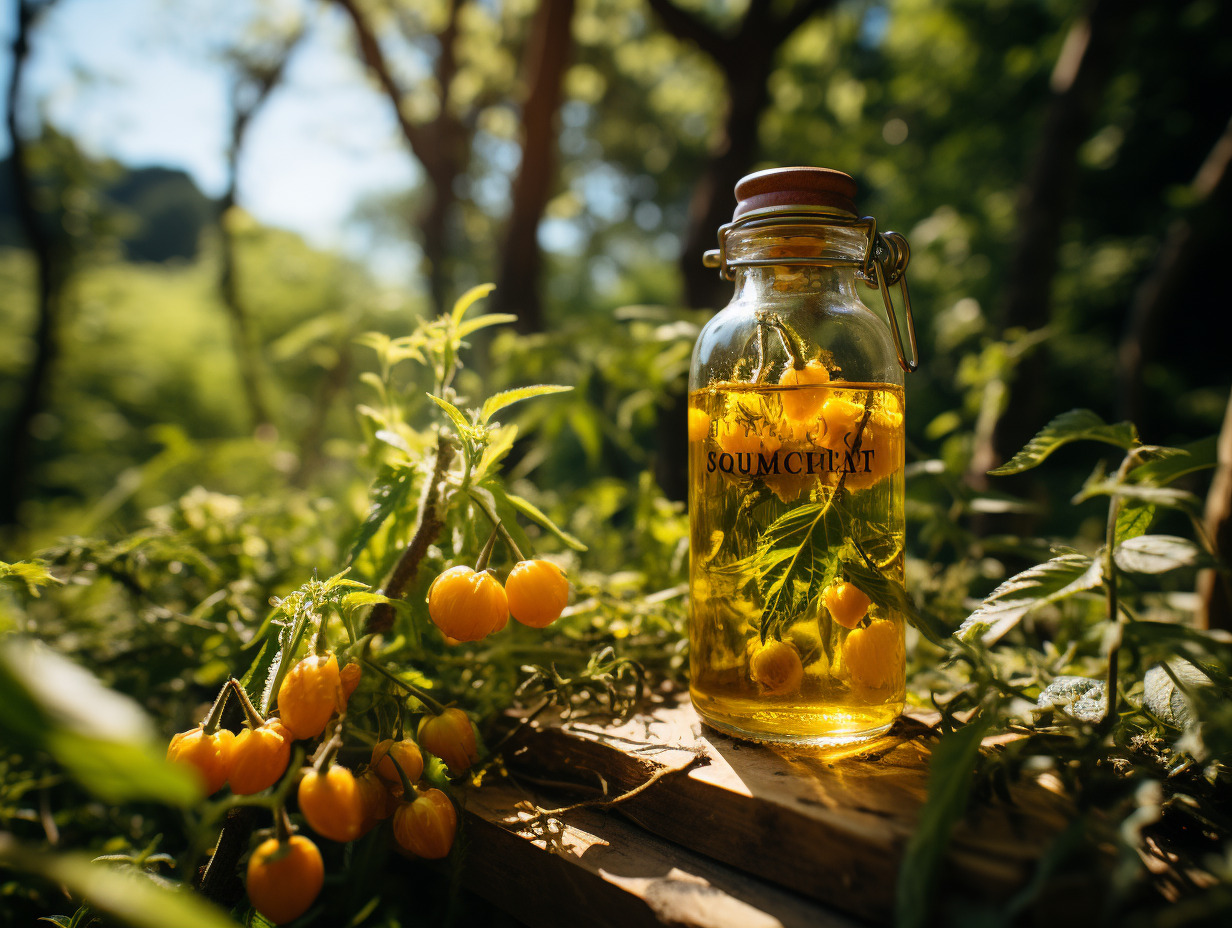
Practical Guide: Preparation and Use of Comfrey Tea
Comfrey tea, this natural solution with multiple benefits for the garden, is prepared from comfrey leaves. To do this, gardeners collect the leaves, place them in a container, and cover them with water. The mixture must ferment for about two weeks, during which it should be stirred regularly. This homemade production process complies with regulations in France and avoids the prohibitions on commercial products lacking market authorization (MA). Once fermentation is complete, the resulting liquid, rich in nitrogen, potassium, and phosphorus, essential nutrients, is filtered and diluted for use as fertilizer. The dosages vary depending on the specific needs of the plants and crops. The comfrey tea produced is then ready to be used, typically by watering at the base of the plants or by foliar spraying, for a direct nutrient supply. ANSES regulates the marketing of products based on comfrey tea, ensuring that homemade production remains compliant with health safety standards. This vigilance guarantees gardeners can continue to use this organic fertilizer while protecting themselves from the risks associated with uncontrolled substances. Experiments, particularly those conducted at the Centre Terre Vivante, demonstrate the effectiveness of comfrey tea in increasing fruit and vegetable production. The results on tomatoes, in particular, highlight a clear improvement in fruit growth. This ancestral recipe, passed down from generation to generation, proves to be a considerable asset for growers seeking an agriculture that is both efficient and environmentally friendly.