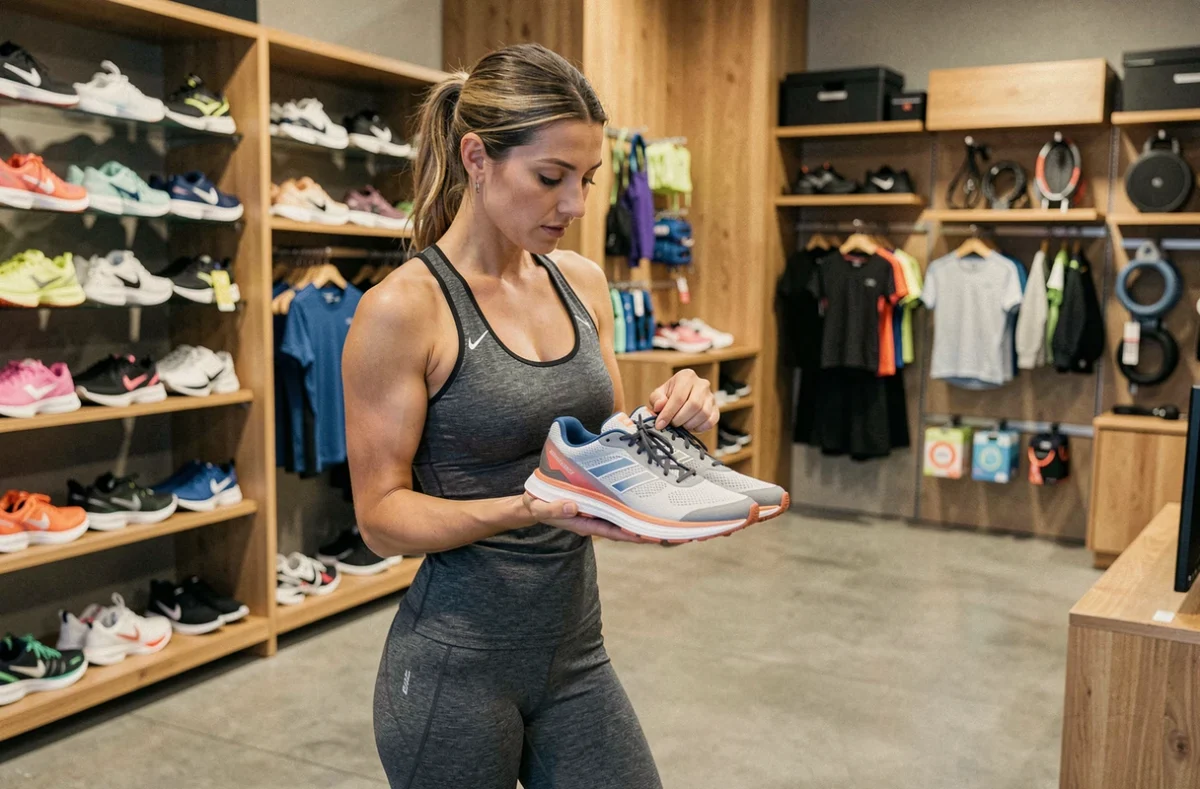
The sports equipment market is full of promises: shoes that correct your stride, textiles that regulate temperature, sensors that predict injuries. Choosing your sports equipment to enhance performance requires distinguishing between documented innovation and marketing rhetoric. Available scientific data nuances several preconceived ideas, and environmental regulations are beginning to impact the very design of equipment.
Sports Shoes and Biomechanics: What Science Confirms (and What It Does Not)
The customization of shoes according to foot morphology remains a ubiquitous selling point. Retailers offer gait analyses in-store, custom insoles, and models categorized by pronation type. The scientific reality is more cautious.
According to an analysis published by The Spine Studio in September 2026, the customization of shoes based on foot morphology is not solidly demonstrated. A potential benefit of motion control shoes for heavily pronating runners has been identified, but this result still needs to be confirmed by further studies.
Another topic fueling discussions is carbon-plated shoes. A study referenced on PubMed Central (September 2026) shows that these models alter biomechanical stresses without guaranteeing better safety. The forces transmitted to the tibia vary by model, meaning that a performance gain in running may come with a transfer of stress to other joint structures.
For both running and hiking, the choice of shoes should be based on perceived comfort and terrain adaptation rather than a biomechanical categorization whose foundations remain weak. A practitioner who is torn between several pairs is better off testing each model over a real distance than relying on a quick in-store diagnosis.
Finding equipment on the Format Sport website allows for comparing technical specifications before trying them in real conditions.
Connected Equipment: Measuring Is Not Enough to Progress
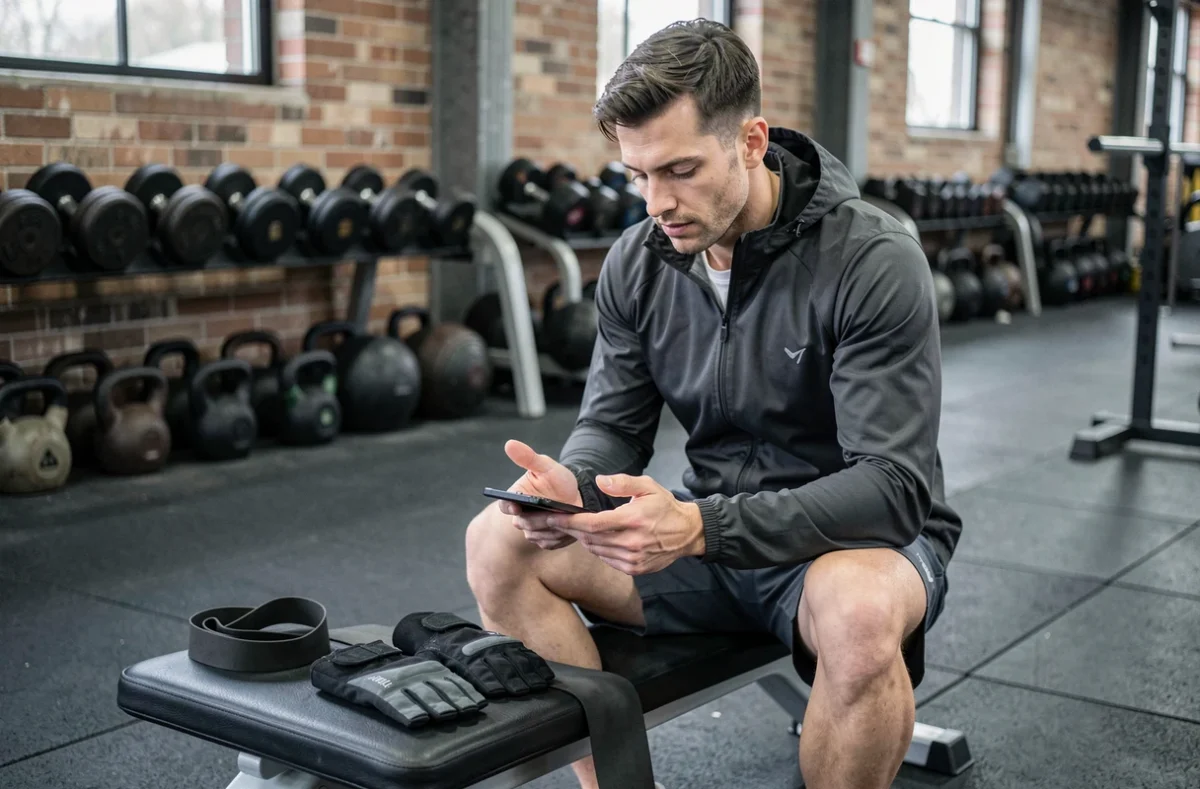
GPS watches, power sensors, instrumented insoles, heart rate straps: the amount of data available to amateur athletes has never been so vast. Field feedback on this point varies. Some practitioners use these metrics to adjust their training load, while others accumulate numbers without changing their practice.
A publication in Springer Nature in September 2026 emphasizes that connected devices should be evaluated based on their decision-making utility, not just the number of measurements they produce. A sensor that records heart rate, rhythm variability, and impact load is only useful if this data leads to a concrete decision: reducing session intensity, extending a recovery phase, consulting a health professional.
Criteria for Choosing Useful Connected Equipment
- Compatibility with a structured training plan or medical follow-up, not just an aesthetic dashboard
- Reliability of the measurement for the specific sport practiced (a cycling power sensor is not equally relevant on a road bike and a mountain bike)
- The ability to signal an abnormal load threshold, rather than simply archiving raw data
The increase in load measured by a sensor does not, by itself, indicate a risk of injury. Current predictive models remain limited, and caution is warranted regarding applications that claim a prevention capability based solely on algorithmic analysis.
Sports Clothing and Equipment: The Growing Weight of Environmental Regulation
Choosing sports equipment is no longer just about balancing comfort, weight, and price. The REP (extended producer responsibility) scheme for sports and leisure items is gradually changing the available offerings in France. Manufacturers must integrate obligations for collection, recycling, and eco-design into the marketing of their products.
The digital passport for products, as mandated by European regulations, aims to make information regarding the composition, durability, and reparability of an item traceable. For consumers, this means that in the long run, comparing the actual lifespan of two ski jackets or two cycling shorts will become simpler than it is today.
What This Changes for Equipment Choice
A durable sports equipment does not just mean a resistant fabric. The availability of spare parts (zippers, helmet foams, mid-soles), the possibility of repairing rather than replacing, and transparency regarding the materials used are becoming essential selection criteria.
- Check if the manufacturer offers a repair service or spare parts for wear components
- Favor brands that publish the detailed composition of their textiles (percentage of recycled fibers, treatments applied)
- Consult repairability or durability indices when available, even if their deployment remains uneven across product categories

Adapting Sports Equipment to Actual Practice Rather Than a Theoretical Ideal
A runner who trains three times a week on the road has different needs than a trail runner who tackles elevation changes. An urban cyclist does not need the same helmet as an avid mountain biker. The alignment between equipment and actual practice is crucial for both safety and progression.
Online competitors often structure their advice by sport (running, hiking, cycling, skiing). This discipline-based approach makes sense but obscures a central point: the level of practice and frequency matter more than the discipline itself when guiding a purchase. An occasional hiker investing in high-end rigid shoes may experience more discomfort than with a more flexible mid-range model better suited to their pace.
The available data does not allow for a conclusion that more expensive equipment systematically improves performance. The perceived comfort and consistency of practice remain the two most reliable indicators for assessing the relevance of a choice of equipment. Equipment that feels good, is actually used, and can be maintained or repaired over time fulfills its role, regardless of its price positioning.