The maintenance of a shrimp willow, an ornamental tree species highly valued for its vibrant foliage, requires special attention. Gardeners must know the right times to carry out this essential task to promote healthy and lush growth. This reflection aims to share practical tips and tricks on the best times to prune a shrimp willow. When done at the right time, this task can enhance the tree’s health and increase the brilliance of its foliage. Seizing seasonal opportunities can make all the difference in the care of this impressive tree.
Shrimp Willows: A Fascinating and Elegant Plant
The question ‘when to prune a shrimp willow’ often arises among gardening enthusiasts. It is crucial to understand that the pruning of a tree, particularly the shrimp willow, must be done at specific times to ensure better health and growth.
The optimal interval for this operation generally falls between autumn and spring. However, it is important to avoid late pruning in autumn as this could leave the tree vulnerable during winter.
In summer, when the shrimp willow adorns its most beautiful colors, it is not advisable to undertake major pruning. A light intervention can, however, be performed if necessary to control the shape of the willow or remove a few undesirable branches.
It is also crucial when asking ‘when to prune a shrimp willow’ to carefully examine certain environmental factors such as local weather conditions and the overall health of the willow before any significant intervention. Recommended periods may vary depending on your geographical location.
Preparation also plays an essential role in any successful pruning session. Make sure to have all the necessary tools at hand: sharp pruning shears, protective gloves, and possibly a disinfectant to clean your tools after each use to prevent the spread of diseases.
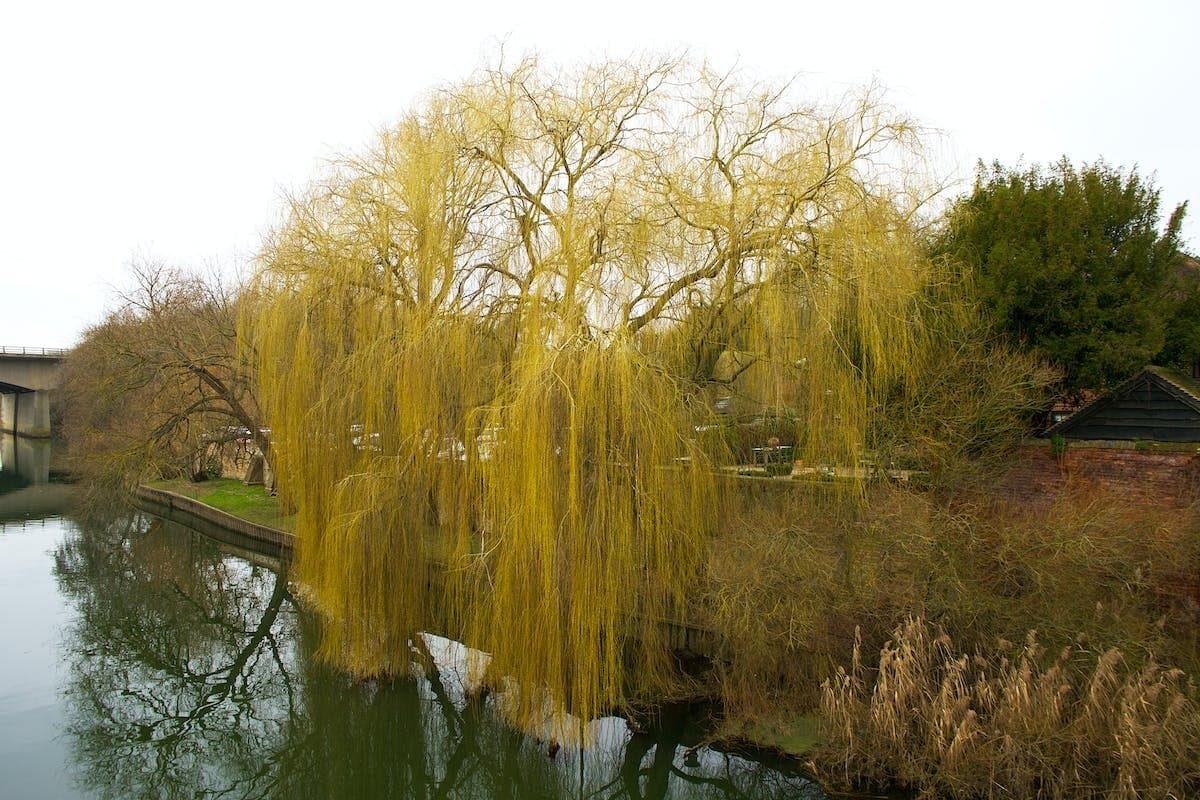
Pruning Periods for Shrimp Willows: When and How to Prune Them
For a successful pruning of your shrimp willow, you should follow a few tips and tricks. Take the time to carefully observe the tree before starting the pruning. Identify the dead or damaged branches, as well as those that cross or rub against other branches. The latter should be removed to promote good air circulation and reduce risks of diseases.
When pruning a shrimp willow, always favor clean and precise cuts to avoid any risk of infection. Use well-sharpened pruning shears to achieve precise cuts without tearing the bark of the tree. If necessary, disinfect your tools between each cut using an appropriate product to prevent the potential spread of diseases.
Consider the desired shape for your shrimp willow when pruning. If you want to maintain a compact and dense appearance, regularly trim the tips of the branches to encourage new lateral growth rather than excessive vertical growth.
To give your shrimp willow a more natural and elegant look, opt for gentle pruning by simply removing unwanted branches without significantly altering the overall structure of the tree.
Do not hesitate to seek advice from a gardening professional if you have doubts about how to prune your shrimp willow. They will be able to guide you expertly throughout the process to ensure a successful pruning.
For a successful pruning of a shrimp willow, take the time to carefully observe the tree before starting the cut. Use well-sharpened tools and disinfect them between each cut. Consider the desired shape and opt for gentle pruning if you want a more natural appearance. Do not hesitate to consult a gardening professional if needed. Following these tips will help you achieve a healthy, aesthetic, and thriving shrimp willow in your garden.
Tips for Successfully Pruning Shrimp Willows and Enhancing Their Beauty
The appropriate pruning is essential to fully enjoy the beauty of the shrimp willow in your garden. By following the tips and tricks mentioned earlier, you will be able to successfully maintain this magnificent tree.
With regular pruning, you will maintain a harmonious balance between the vertical and lateral growth of your shrimp willow. This will not only enhance the tree’s aesthetics but also prevent any risks associated with damaged or poorly positioned branches.
Removing dead or diseased branches will promote better overall health for the shrimp willow by reducing the risk of disease spread. Air circulation around the tree will be improved, which will help prevent fungal problems.
A clean and precise cut is crucial during pruning to avoid any infection. Ensure that your tools are well-sharpened and disinfected between each cut. This will ensure quick healing of wounds and minimize the chances of infection from external pathogens.
Feel free to be creative when it comes to shaping your shrimp willow according to your personal aesthetic preferences. Gentle pruning can give your tree a natural and graceful appearance that will blend perfectly into its environment.
If you have uncertainties about the specific techniques needed to properly prune your shrimp willow, it is advisable to consult a gardening professional. Their expertise and know-how will guide you throughout the process to achieve optimal results.
By following these tips and tricks, you will be able to fully enjoy the beauty of the shrimp willow in your garden. Its elegant silhouette and colorful leaves will bring a touch of elegance to your outdoor space throughout the year. Feel free to experiment with different pruning shapes to create a unique tree that reflects your personal style.
The appropriate pruning is crucial for maintaining the health and aesthetics of a shrimp willow in your garden. Follow the previously stated advice, be creative, and seek advice if necessary. You will fully enjoy this magnificent tree that will add a touch of elegance to your outdoor environment throughout all seasons.
Fully Enjoy the Splendor of the Shrimp Willow Through Appropriate Pruning
The pruning of a shrimp willow is a crucial step in its maintenance. To achieve optimal results, it is important to respect certain periods and times for carrying out this operation.
It is important to emphasize that the best season to prune a shrimp willow is in winter or early spring, when the tree is dormant. At this stage, the leaves have fallen, and the tree will be less active in terms of growth. This will allow the tree to better withstand pruning and encourage vigorous regrowth when it enters its active phase.
Regarding the frequency of pruning, be careful not to prune the tree too much at once to avoid compromising its vitality. Regular light pruning will be more beneficial than occasional drastic cuts.
When you start pruning your shrimp willow, make sure to use clean and well-sharpened tools to avoid excessive trauma to the branches. Always cut just above the node or external bud to stimulate the desired lateral growth. Also, be sure to remove dead or diseased branches as soon as possible to prevent any further spread of health issues.
Another important tip is to harmoniously balance the different parts of the tree. Ensure that there is an even distribution of branches and avoid allowing one area to become too dominant compared to others. This will ensure uniform development of the tree and give it a visually appealing appearance.
Do not forget to remove branches that cross or rub against each other, as this can lead to potential injuries and health problems for the tree. Adequate air circulation will also help reduce the risk of fungal diseases.
The pruning of a shrimp willow is an important step in its regular maintenance. By following these tips and tricks, you will be able to maintain the elegant shape and vitality of your tree throughout the year. Do not hesitate to seek the help of a professional if you need additional assistance or if you want to achieve more precise results in your pruning. With some proper care, your shrimp willow will continue to beautify your garden for many years to come.